
Getting through the agenda is only part of the meeting, says Joel Casse
Insights|November 16, 2026
A meeting can end with every item covered and still leave people unsure about what they have agreed to do. As information becomes easier to find, the conversations that help colleagues understand one another deserve more attention.
“Do we have access to each other?” asks Leadership Educator and Team Coach Joel Casse. With full calendars and plenty of ways to stay in touch, it might seem an odd question. But being able to reach a colleague does not necessarily mean there is room to talk through a concern or question a decision.
Joel sees this in meetings where getting through the agenda takes priority over the discussion. Everyone knows the deadline, but no one has clarified who is responsible. Or a group agrees on a solution before realizing that its members have understood the problem differently.
He uses the image of a waterline to explain what gets missed. The tasks and their content sit above it, where everyone can see them. Below are the relationships and ways of working that affect how the work gets done: whether people understand the purpose, how they make decisions, and how comfortable they feel disagreeing.
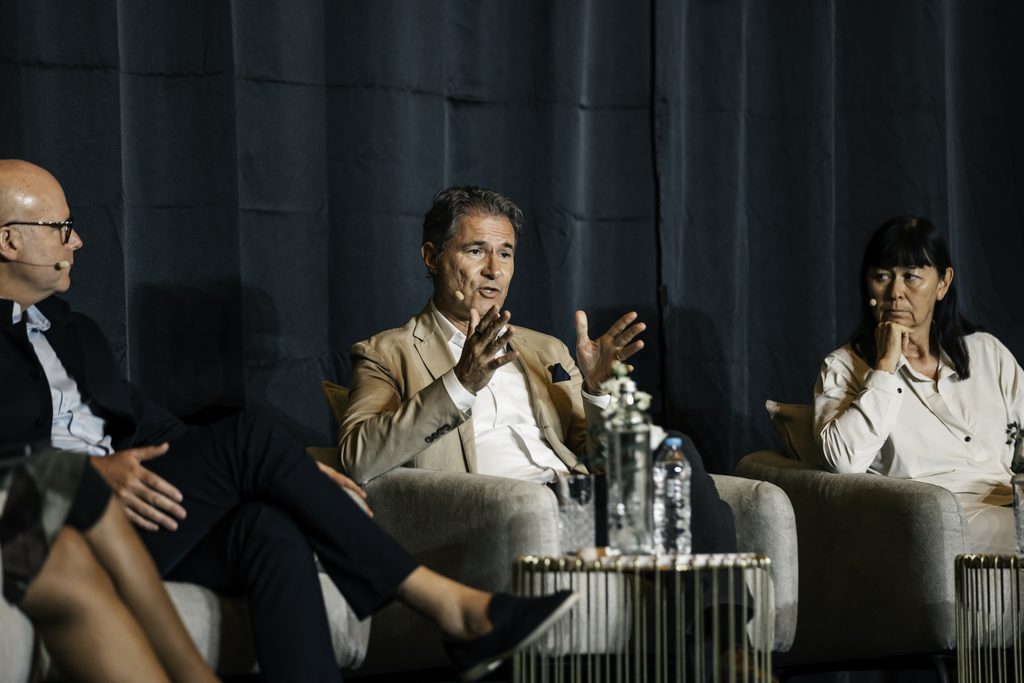
When a team is busy, it can be tempting to leave these questions for another time. They tend to surface anyway, often when someone has to revisit a decision or discovers that colleagues have been working toward different things.
In one session with executives, Joel heard “Let’s take it offline” eight times in 20 minutes. He stopped to ask what that habit meant for the group’s ability to make decisions and follow through. Some issues belong in a separate conversation. But when discussions repeatedly move elsewhere, those in the room can lose track of what has been settled and what remains open.
Joel suggests occasionally pausing to talk about how the conversation is going. If the group seems ready to move on while a concern remains unanswered, someone can point that out and ask whether others have noticed it too. Anyone can do this, whatever their role.
It also helps to notice what people are listening for. Joel distinguishes between dialogue, where the aim is to understand another person’s perspective, and debate, where people defend their positions. Asking a colleague what concerns them about a proposal can lead to a different conversation from simply asking whether they agree.
“Go slow to go fast,” Joel says.
Taking a few more minutes to understand a concern or clarify a responsibility can save a team from having the same discussion again next week. Digital tools and AI may make answers easier to find. Colleagues still need time to explain what they mean, ask questions, and work out what to do together.
Read more about Joel’s thoughts on teamwork and leadership.