Beyond individual choice: How systems shape children’s opportunities and why effective solutions struggle to scale
Insights|July 3, 2026
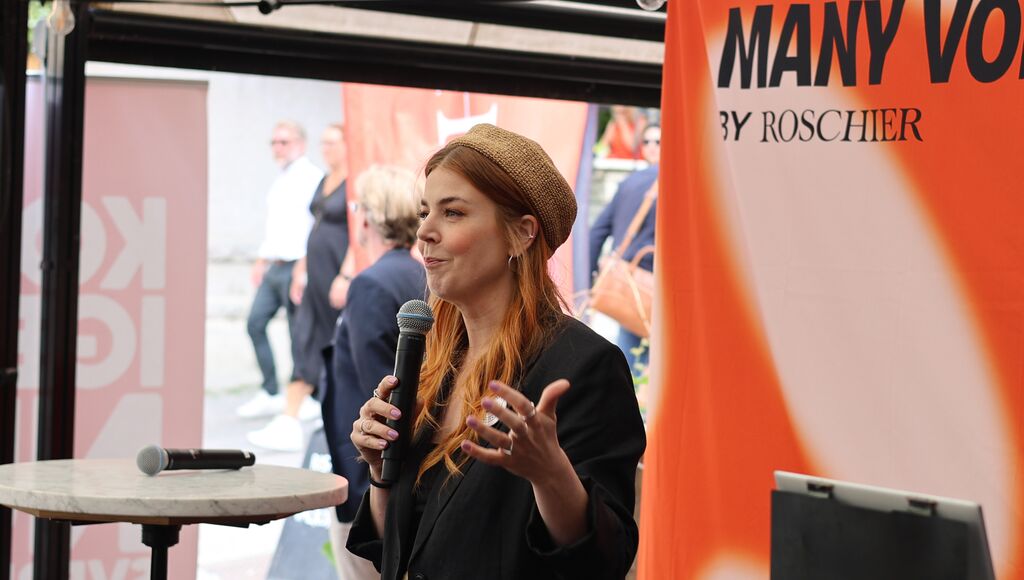
Children’s outcomes are often explained through individual choices. Yet, discussions at House of Many Voices in Almedalen point to a different conclusion: behavior and opportunities are largely shaped by systems, not individuals.
One of the most consistent themes across sessions was the need to move beyond individual explanations. Children frequently know what is expected of them – whether in relation to diet, health or school. But knowledge alone does not translate into action.
“Children know what is healthy, but still do not follow the recommendations,” said Malin J-son Höök, Area Manager Knowledge & Facts, Generation Pep, during a presentation of the “Pep Report 2026”.
This gap between knowledge and behavior is often described as a motivation problem. The discussions suggest otherwise. Instead, the decisive factor is the environment. Access, affordability, norms and daily context structure the choices available to children. In that sense, behavior is less a reflection of individual decisions and more a response to surrounding conditions.
This extends far beyond health. Education, housing, labor market conditions and social support systems interact and often reinforce each other. In the session on children’s living conditions by Save the Children, the same pattern emerged from a different perspective: outcomes are shaped by how systems interact, not by isolated factors.
Tove Samzelius, Associate Professor, Department of Social Work, Malmö University“We have to understand how different parts of society interact. You cannot separate them,”
At the same time, the conversations did not lack optimism. Across sectors, examples were shared of initiatives that are already addressing many of these challenges in practice.
In the session led by Reach for Change, the discussion focused on social entrepreneurs and organizations working closely on these challenges and often developing solutions that show clear results in their local context.
However, a consistent barrier remains: these solutions rarely move beyond the pilot phase. “We can also see that these don’t scale up. We’re not getting the scalability we really need,” said Sofia Breitholtz, CEO, Reach for Change.
This creates a structural paradox: we know more than ever about what works yet struggle to implement it widely enough to make a systemic impact.
The conclusion is not simply that more needs to be done, but that systems need to be designed differently, in ways that enable good outcomes by default.
Read more:
Societal challenges in focus at House of Many Voices in Almedalen 2026