Nordic Data Center Forum explored the opportunities and challenges shaping the next phase of AI infrastructure growth
Insights|September 17, 2026
Artificial intelligence is accelerating demand for digital infrastructure at an unprecedented pace, placing data centers at the center of discussions around investment, energy, financing and competitiveness.
Recently, Roschier hosted the inaugural Nordic Data Center Forum in Stockholm, bringing together investors, developers, financiers, energy companies and other market participants from across the data center ecosystem.
As demand for AI infrastructure continues to accelerate, speakers returned repeatedly to the same questions: where future capacity will be built, how projects will be financed, and whether power systems and permitting processes can keep pace with market growth.
AI is reshaping the digital infrastructure agenda
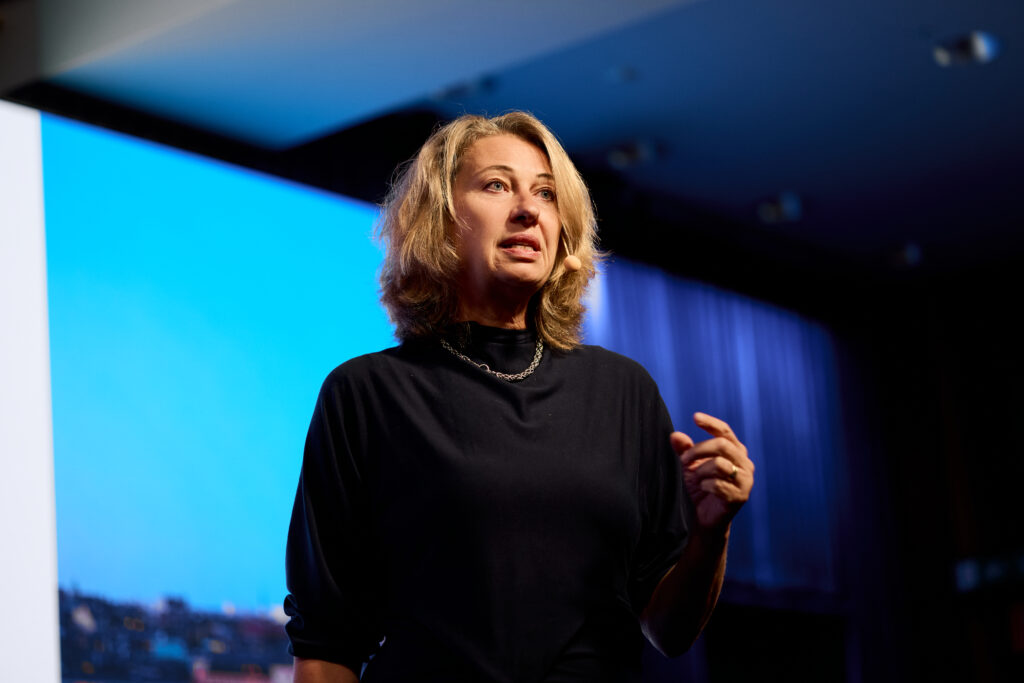
The forum opened with a keynote by Silvija Seres, investor, board member and mathematician, who argued that data centers can no longer be viewed as a niche infrastructure asset. Instead, they are becoming a strategic component of economic growth, technological development and digital sovereignty.
Drawing on examples from both Europe and Silicon Valley, Silvia highlighted the extraordinary pace of AI development and the growing importance of computing power as a competitive advantage. She described access to energy, infrastructure and data as increasingly central to national and regional competitiveness, while also emphasizing the need for long-term thinking when it comes to investment, regulation and energy systems.
“The future is coming really fast at us, so we need to think forward, not just where we are right now,” said Silvia.
The keynote set the tone for the discussions that followed, many of which returned to questions around growth, competitiveness, infrastructure capacity and the role the Nordics can play in supporting the next generation of AI development.
The Nordics’ growing role in Europe’s AI infrastructure landscape
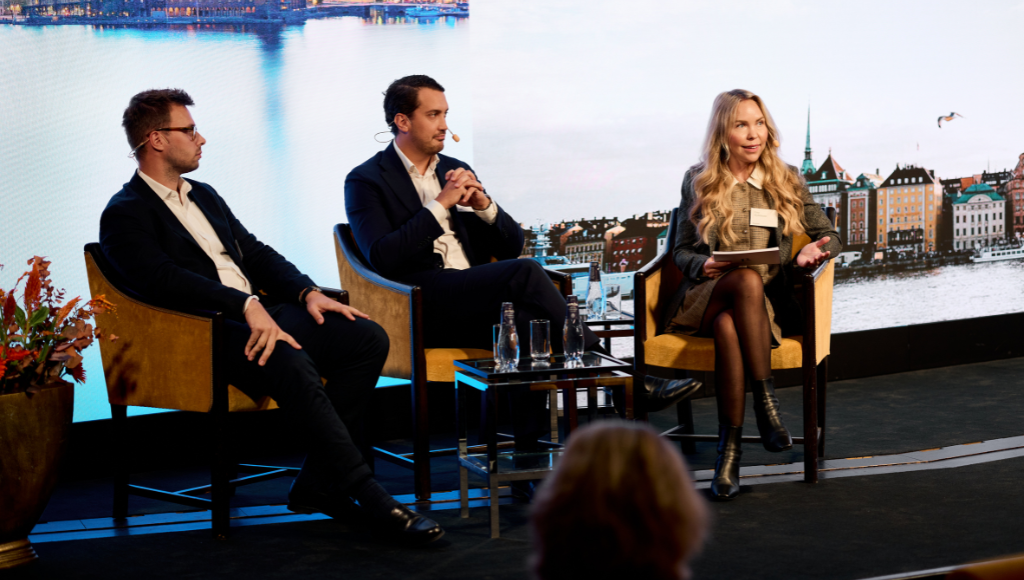
The first panel examined how investors are assessing opportunities in the Nordic data center market and what continues to attract significant international capital to the region. The discussion was moderated by Lisa Hybbinette, Partner Real Estate at Roschier, and featured Julian Thiel, Infrastructure Private Equity at Partners Group and Robert Björk, Partner at Areim.
While AI has brought unprecedented attention to the sector, the panelists argued that the Nordic investment case remains rooted in long-standing fundamentals. Access to renewable energy, competitive operating costs and available land continue to distinguish the region from many competing European markets.
At the same time, access to grid-connected power was described as one of the market’s most valuable assets, particularly as developers compete to bring new capacity online.
“The Nordics are predestined as the primary AI region of European data center compute. Hence why it is now probably the most exciting story in the European data center market,” said Julian.
The discussion also illustrated how quickly the market is maturing. Several speakers noted that securing power is no longer enough on its own. Investors are increasingly looking for operators with proven delivery capabilities, scalable platforms and strong local relationships.
Financing the next generation of digital infrastructure
The second panel focused on the financing requirements of a rapidly expanding industry. Moderated by Veronica Stiller, Partner Finance & Restructuring at Roschier, the discussion included Alexi Antolovich, Global Co-Head of Real Estate at Macquarie Capital, Glenn Kringhaug, Partner at ABG Sundal Collier and Vincenzo Spiniello, Vice President of Real Estate Finance and Securitization at Citi UK.
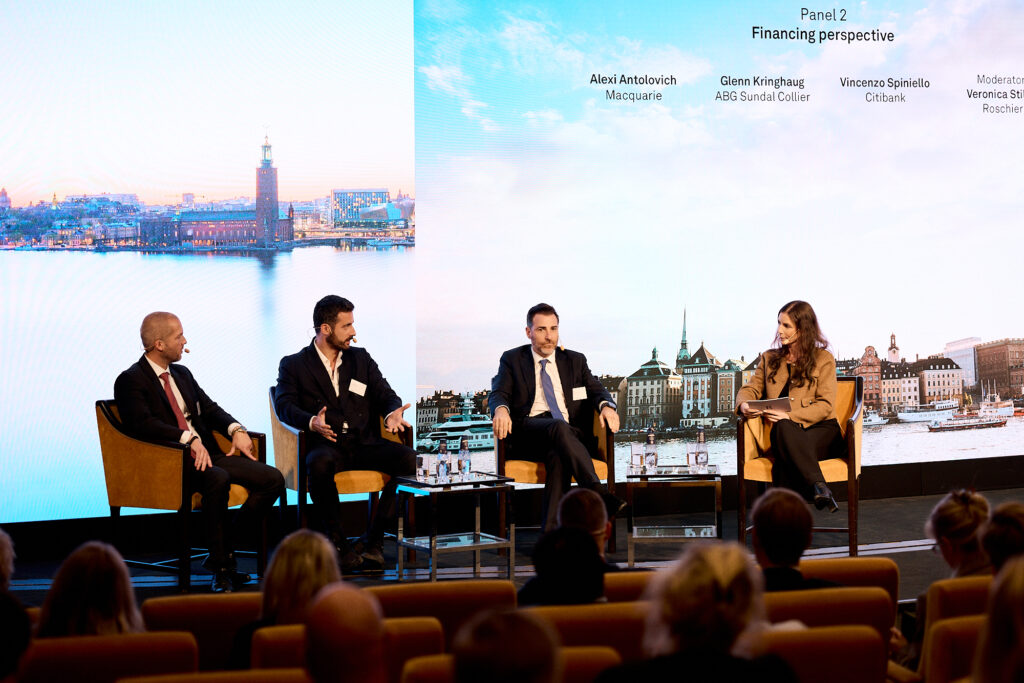
What would once have been considered exceptionally large projects are becoming increasingly common. Against that backdrop, the discussion focused on how lenders assess risk in a market where project sizes, power requirements and capital needs continue to grow.
The panel examined the factors lenders and investors focus on most closely, including access to power, sponsor track record, operational expertise and the quality of customer agreements.
Reflecting on the opportunities ahead, Alexi summarized the market’s potential succinctly:
Alexi Antolovich“The biggest opportunity is the scale.”
Rather than debating whether capital is available, the conversation centered on how the industry can access enough of it. Speakers pointed to the growing importance of combining traditional bank lending, institutional capital and debt capital markets to support the next phase of development.
Grid capacity and predictability remain critical issues
The final panel addressed one of the most frequently discussed topics throughout the day: access to power and grid infrastructure. Moderated by Miikka Konttinen, Partner Project & Environment at Roschier, the panel brought together Christopher Eckerberg, Head of Business Development Datacenters Nordics and Benelux at Google, Kristina Alvendal, National Industry Coordinator at Sweden’s Ministry of Climate and Business, Salvatore Santoro, Co-Head of Investment Banking Sweden and Global Head of Renewables, Infrastructure & Transition at DNB Carnegie and Tuomas Harju, Vice President Industrial Partnerships at Fortum.
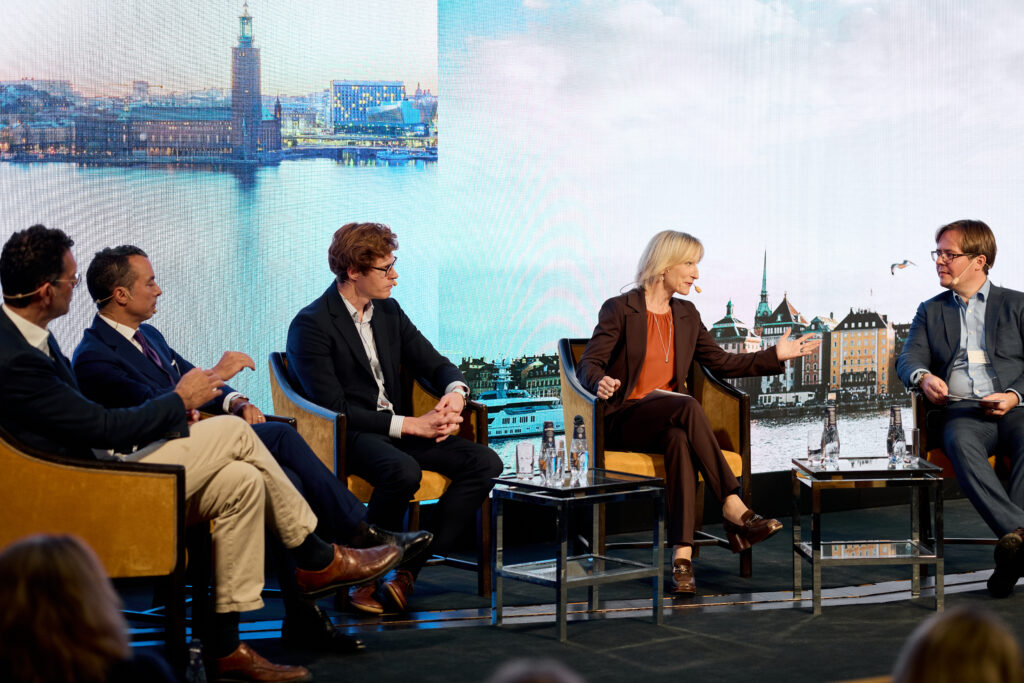
Although the panel agreed that the Nordics remain well positioned from an energy perspective, several speakers argued that the biggest challenges are no longer technical. Predictability around permitting, infrastructure deployment and public decision-making was repeatedly identified as a key factor influencing investment decisions.
“The biggest challenge is time,” said Kristina.
Discussion turned to what would be required to unlock additional growth. The panelists highlighted clearer timelines, stronger coordination between authorities and better utilization of existing grid infrastructure as practical measures that could accelerate development.
Even when discussing bottlenecks, the tone remained constructive. Speakers pointed to the region’s renewable energy resources, stable institutions and collaborative approach between industry and public stakeholders as advantages that are difficult to replicate elsewhere.
Building the conditions for continued growth
One of the observations made during the keynote was that the race to build AI infrastructure is already underway. The discussions throughout the afternoon suggested that the Nordics are well positioned to participate in that growth, provided that power infrastructure, permitting processes and access to capital can continue evolving at the pace demanded by the market.
Grid capacity, access to capital and permitting timelines were all scrutinized during the afternoon. Despite those challenges, the discussions reflected considerable confidence in the region’s ability to attract investment and support the continued expansion of AI and digital infrastructure.
Several speakers argued that the Nordic countries already possess many of the advantages global investors are looking for. The discussion therefore focused less on why the region should attract investment, and more on how quickly additional capacity can be brought to market.
Learn more about our data center practice area here.