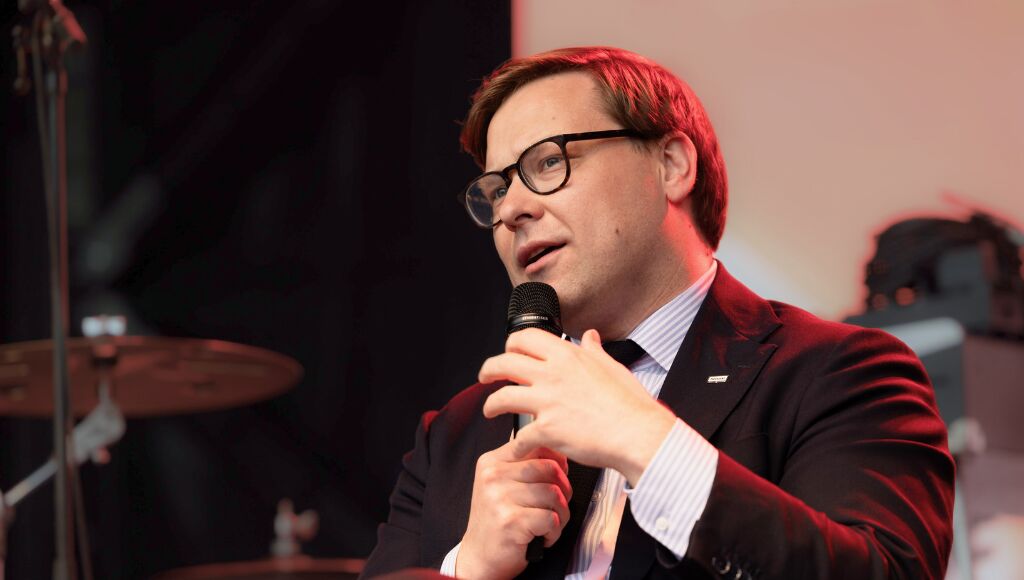
Building Helsinki’s future around strong neighborhoods and belonging: An interview with Daniel Sazonov
Insights|August 5, 2026
Helsinki is consistently ranked among the world’s most livable cities, known for its safety, high quality of life, and strong sense of community.
In this interview, Helsinki Mayor Daniel Sazonov shares his perspective on the city’s future, the importance of neighborhoods and belonging, and how Helsinki can continue to grow while preserving the qualities that make it unique.
You have emphasized the importance of neighborhoods and belonging in creating a thriving city. As Helsinki continues to grow, what can city leaders, local organizations, and residents do to strengthen community ties and ensure that people feel connected to where they live?
“Building a sense of belonging is a citywide effort that requires actions from Helsinki, its residents, local organizations, and communities. As Helsinki we want to make sure that every neighborhood has access to good services, that public areas support wellbeing and getting around is easy. A good and working everyday life builds the feeling of connection to local neighborhoods.
At the same time, we want to keep developing each neighborhood through its unique personality. Recognizing and cherishing the uniqueness of our neighborhoods is essential in making people feel connected to where they live.”
Safety is often highlighted as one of Helsinki’s greatest strengths and a key reason people choose to live and work here. What should Helsinki prioritize today to preserve that sense of safety and trust in the years ahead?
“Sense of safety is built upon many factors, such as having communities you can trust, good and accessible services and pleasant neighborhoods. These are all top priorities for us as we develop Helsinki. At the same time, we have tightened our cooperation with the Helsinki police department and the state to tackle any rising issues that might threaten the sense of security in Helsinki. A safe and smooth everyday life is built on the combination of these factors.”
You have described Helsinki as being “big enough and small enough at the same time.” How can the city maintain that balance while continuing to attract international talent, investment, and new residents?
“The key to this balance is to develop different areas in Helsinki through their strengths and characteristics. For example, we can keep attracting more visitors, events and investments to the Helsinki city centre and the areas just around it, whilst developing other neighborhoods through their closeness to nature, maritime areas or child friendly atmosphere. When we combine this with our well-functioning transportation system and relatively short distances, we can maintain the feel of Helsinki both as an urban European capital and a place where nature is close, kids can walk to school and a sense of community is built.”